




Food waste is a growing problem — and vacuum packaging is one of the most effective tools to fight it. Whether you’re looking to reduce spoilage, save money, or streamline your meal prep, vacuum sealing provides a simple, powerful way to keep food fresher for longer.
In this guide, you’ll learn what vacuum packaging is, how it works, which foods benefit the most, and how to choose the right equipment for your needs — whether you’re a home cook or run a small food business.
1. What Is Vacuum Packaging?
Vacuum packaging (also called vacuum sealing) is a method of preserving food by removing air — specifically oxygen — from a package before sealing it tightly. This slows down the natural degradation of food by:
- Reducing oxygen-based spoilage and oxidation
- Preventing the growth of aerobic bacteria and mould
- Protecting food from moisture loss and freezer burn
By removing air and creating a sealed environment, vacuum sealing extends the usable life of food in your fridge, freezer, or pantry — often by several weeks or even months.
It’s used widely in commercial kitchens, food manufacturing, and more recently, by home cooks looking for better storage solutions.
2. Why Vacuum Packaging Is So Effective
Let’s explore why vacuum sealing has become such a popular choice for both home and professional use:
Longer Shelf Life
Vacuum sealing extends shelf life by up to 5 times compared to standard storage methods. For example:
- Raw meat in the fridge: 2–3 days → up to 10 days vacuum sealed
- Frozen vegetables: 6–8 months → 2–3 years vacuum sealed
- Cheddar cheese: 2 weeks → 4–8 months
Preserves Freshness and Flavour
Vacuum-sealed food maintains its natural flavour, colour, and texture because it’s not exposed to oxygen. This is especially useful for items like meat, fish, coffee beans, and fresh herbs.
Saves Time and Money
Buy food in bulk and portion it yourself. Cook large meals and store leftovers without worrying they’ll go to waste in a few days.
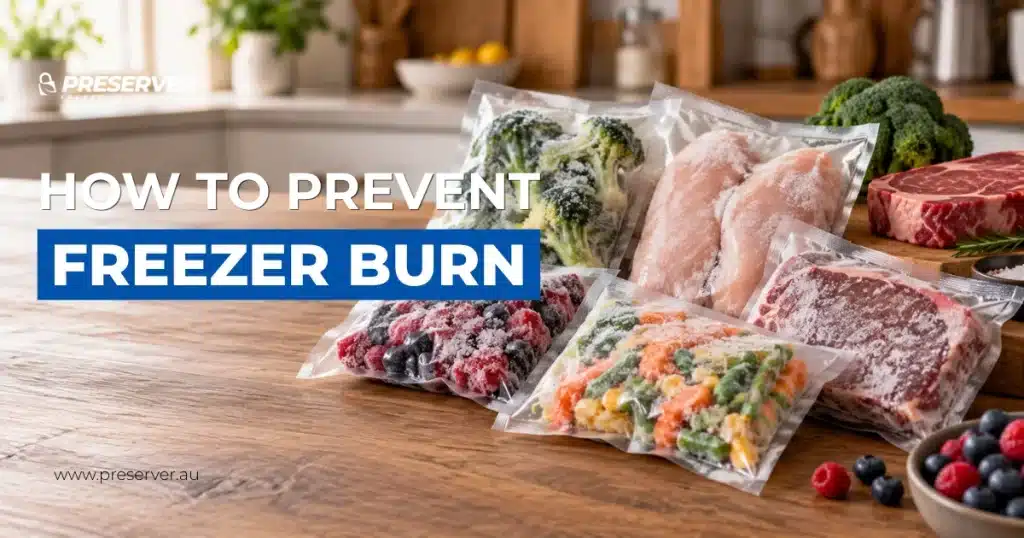
Prevents Freezer Burn
Freezer burn occurs when food loses moisture through sublimation. Vacuum sealing creates an airtight barrier that keeps food moist, even in the freezer.
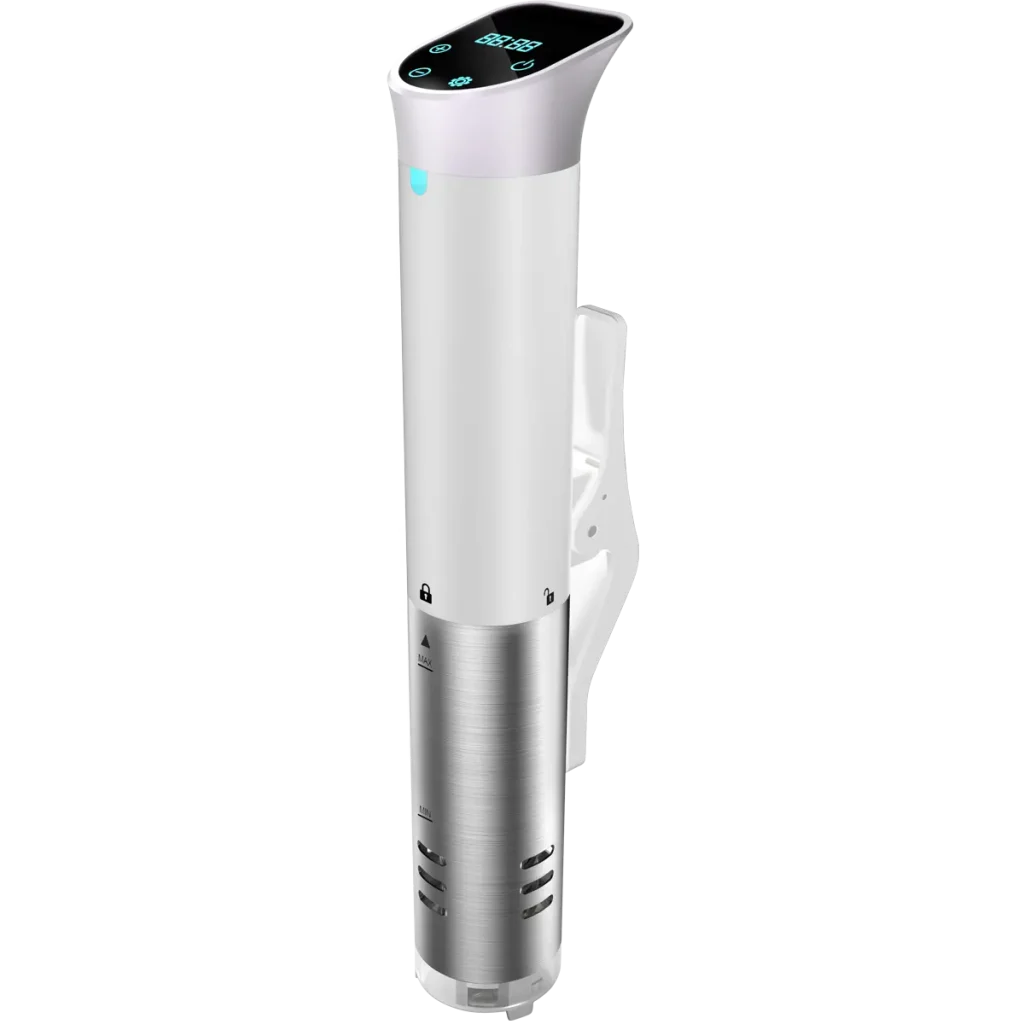
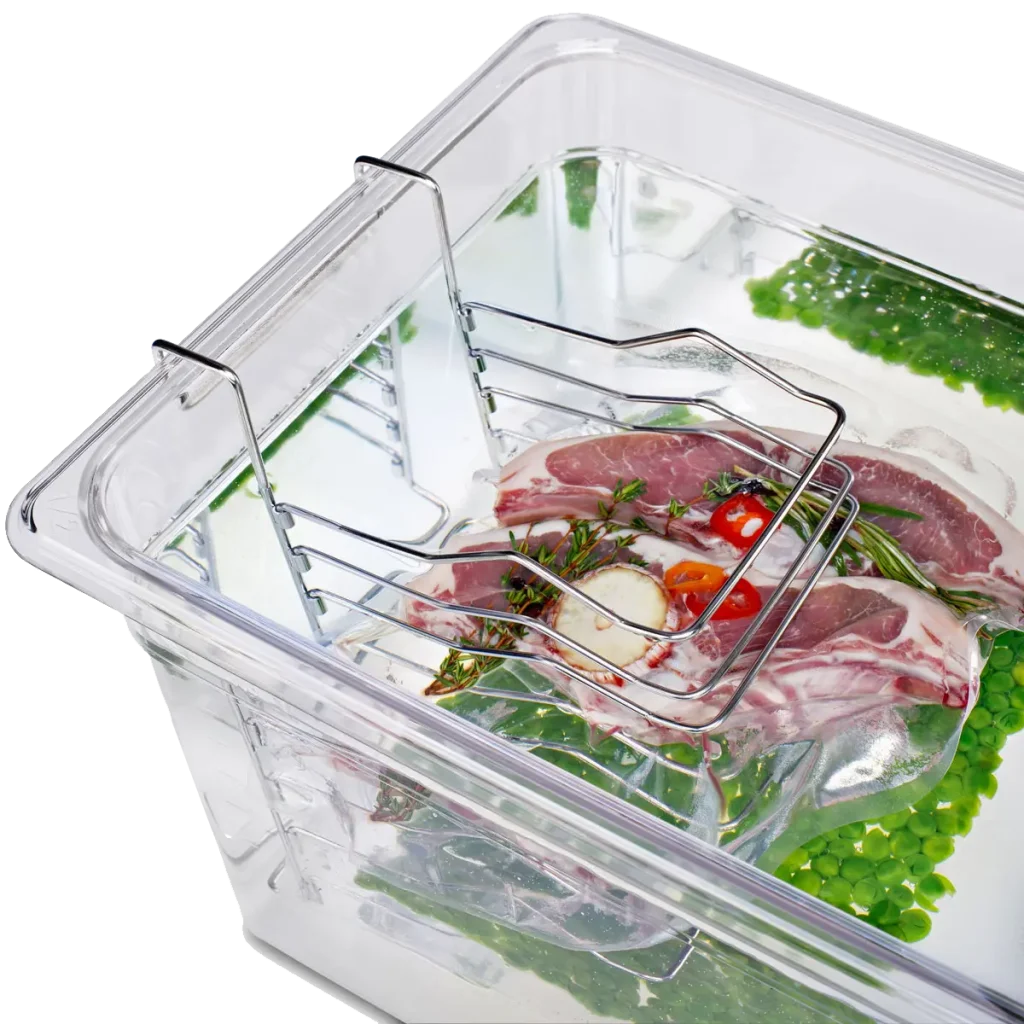
Perfect for Sous Vide Cooking
Many people use vacuum sealing in combination with sous vide cooking — sealing food in a bag and cooking it at a precise temperature in a water bath. This method locks in juices, flavour, and nutrients.
3. What Foods Can Be Vacuum Sealed?
Vacuum sealing works well for a wide variety of foods — from raw meats to delicate greens. Here’s a breakdown of what works best:
Meat and Seafood
- Beef, lamb, pork, and poultry
- Fish fillets, prawns, squid
- Marinated or seasoned proteins
Tips: Always pat dry meats before sealing to prevent moisture from interfering with the seal. Freeze wet foods slightly if needed.
Vegetables and Fruits
- Berries, cut vegetables, citrus slices
- Blanched broccoli, beans, and corn
Note: Blanch vegetables first to kill surface bacteria and preserve colour and texture when frozen.
Dairy Products
- Cheese blocks and slices
- Grated cheese (freeze before vacuum sealing)
Watch out: Avoid vacuum sealing soft cheeses (like brie or blue cheese) for long-term storage — they may still spoil due to anaerobic bacteria.
Prepared Foods
- Cooked pasta, rice, grains
- Stews, casseroles, soups (use a chamber sealer or freeze before sealing)
Dry Goods
- Flour, rice, oats, spices
- Coffee beans and tea
- Nuts and dried fruit
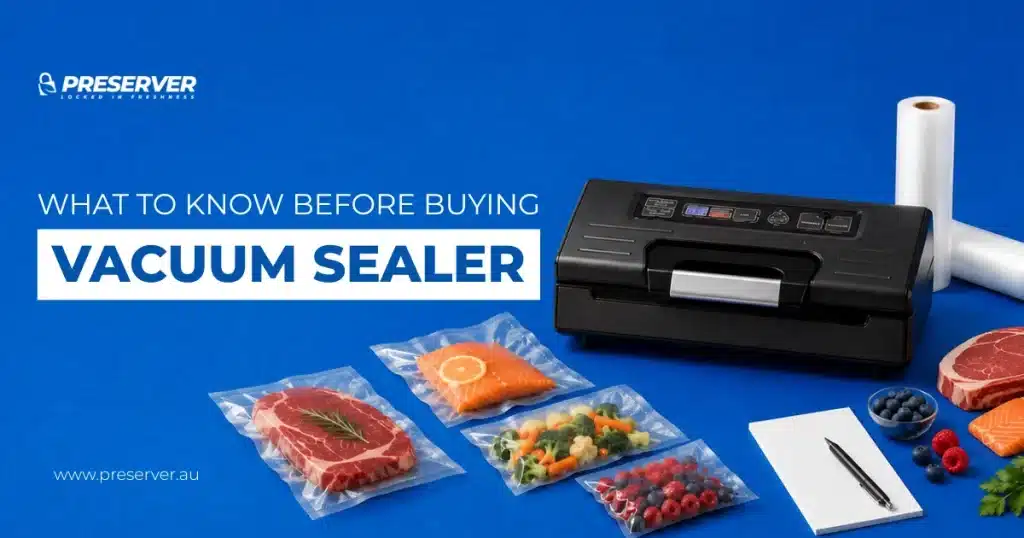
4. Choosing the Right Vacuum Sealer
There are three main types of vacuum sealers. Your choice depends on your usage level, the types of food you seal, and your budget.
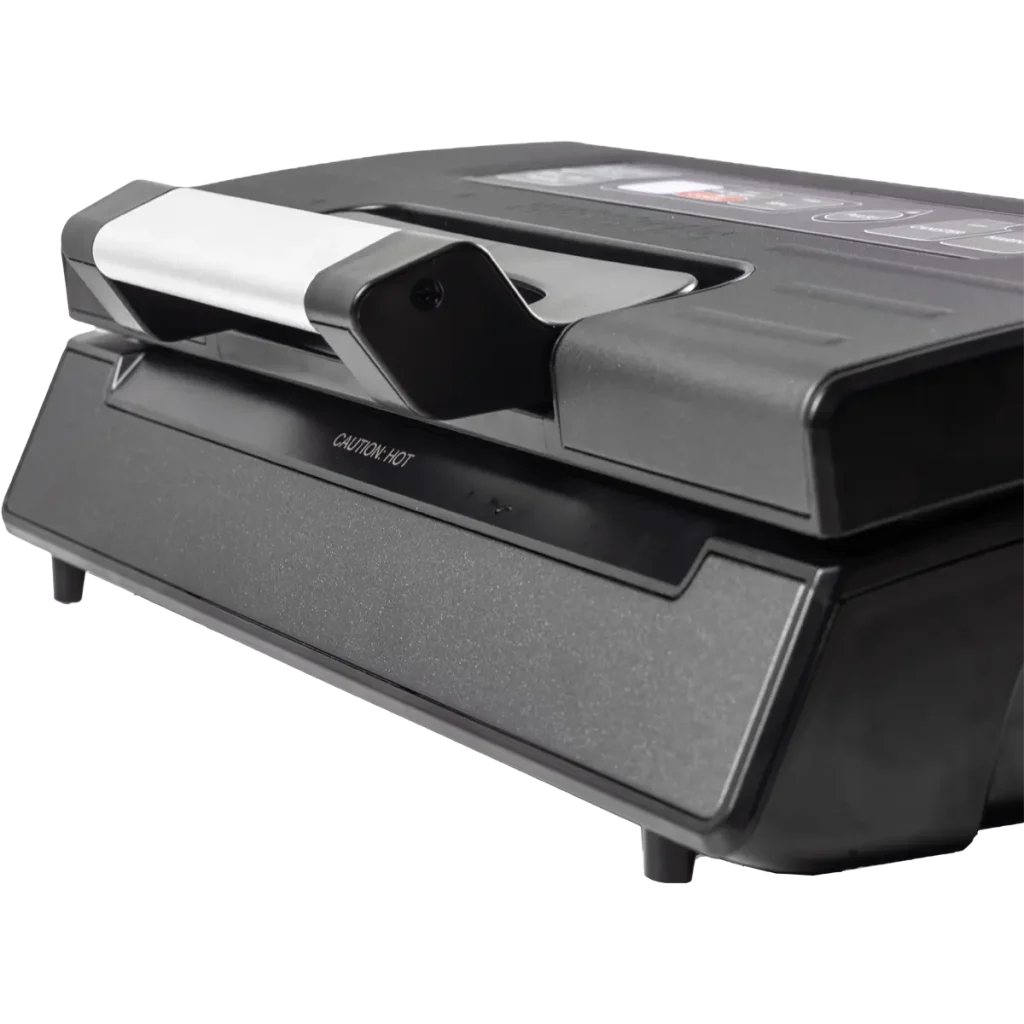
External Vacuum Sealers
- Most common type for home use
- Requires textured/embossed vacuum bags or rolls
- Great for sealing dry items and pre-frozen foods
- Not suitable for liquids
Chamber Vacuum Sealers
- Used in restaurants and commercial kitchens
- Handle liquids and soft/moist foods easily
- Use smooth (flat) vacuum bags, which are cheaper long-term
- More expensive upfront, but ideal for high-volume use
Handheld Vacuum Sealers or Pumps
- Compact and inexpensive
- Work with special zip-lock bags or vacuum containers
- Best for light sealing or leftovers
Tip: If you’re sealing liquids, soups, or stews, chamber sealers are worth the investment.
5. Vacuum Seal Bags, Rolls & Containers
Having the right consumables makes all the difference in food safety and sealing success.
Bag Types
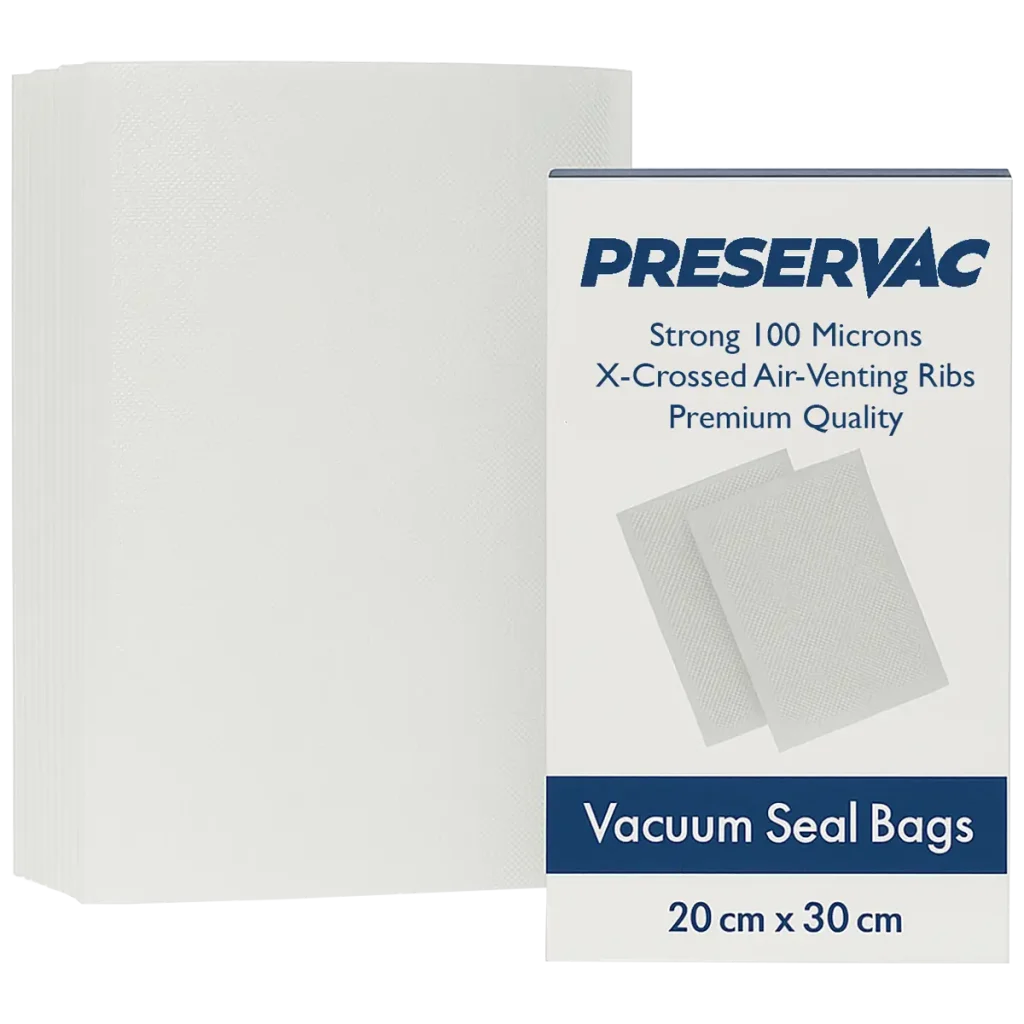
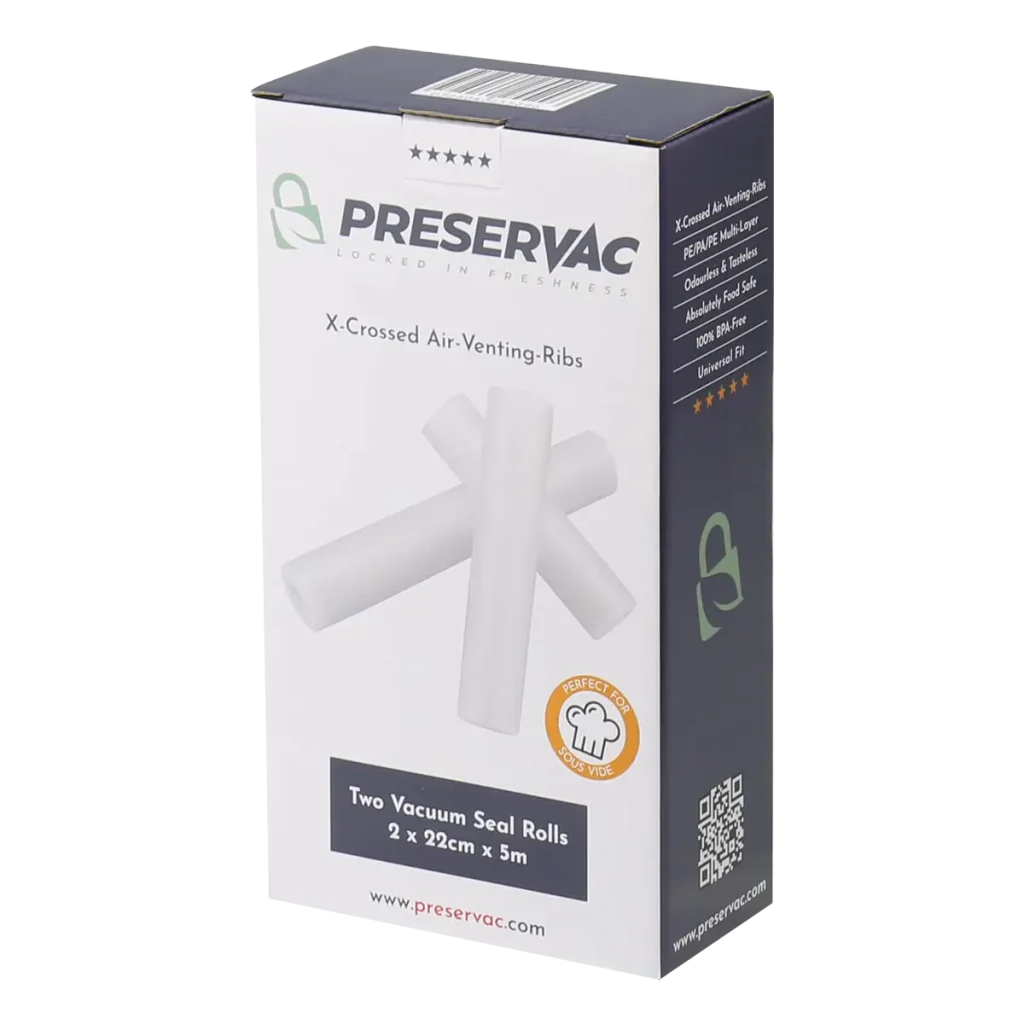
- Embossed Bags & Rolls: Required for external sealers; have a textured surface for air removal.
- Pre-Cut Bags: Convenient and fast for standard portions.
- Chamber Bags: Smooth, flat plastic — cheaper and work only in chamber sealers.
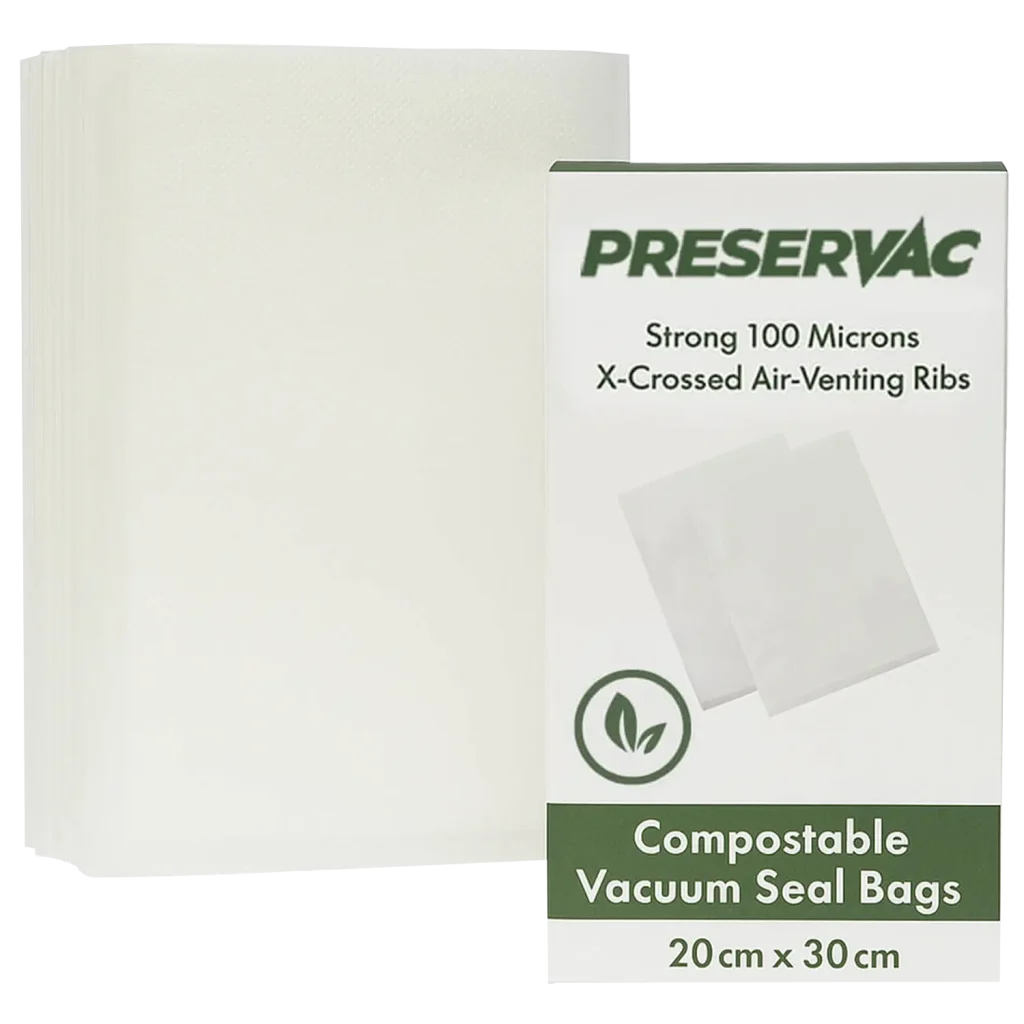
Compostable or Eco-Friendly Bags
- Perfect for reducing plastic waste
- Not suited for all machines or long-term freezing, but ideal for short-term storage and dry items
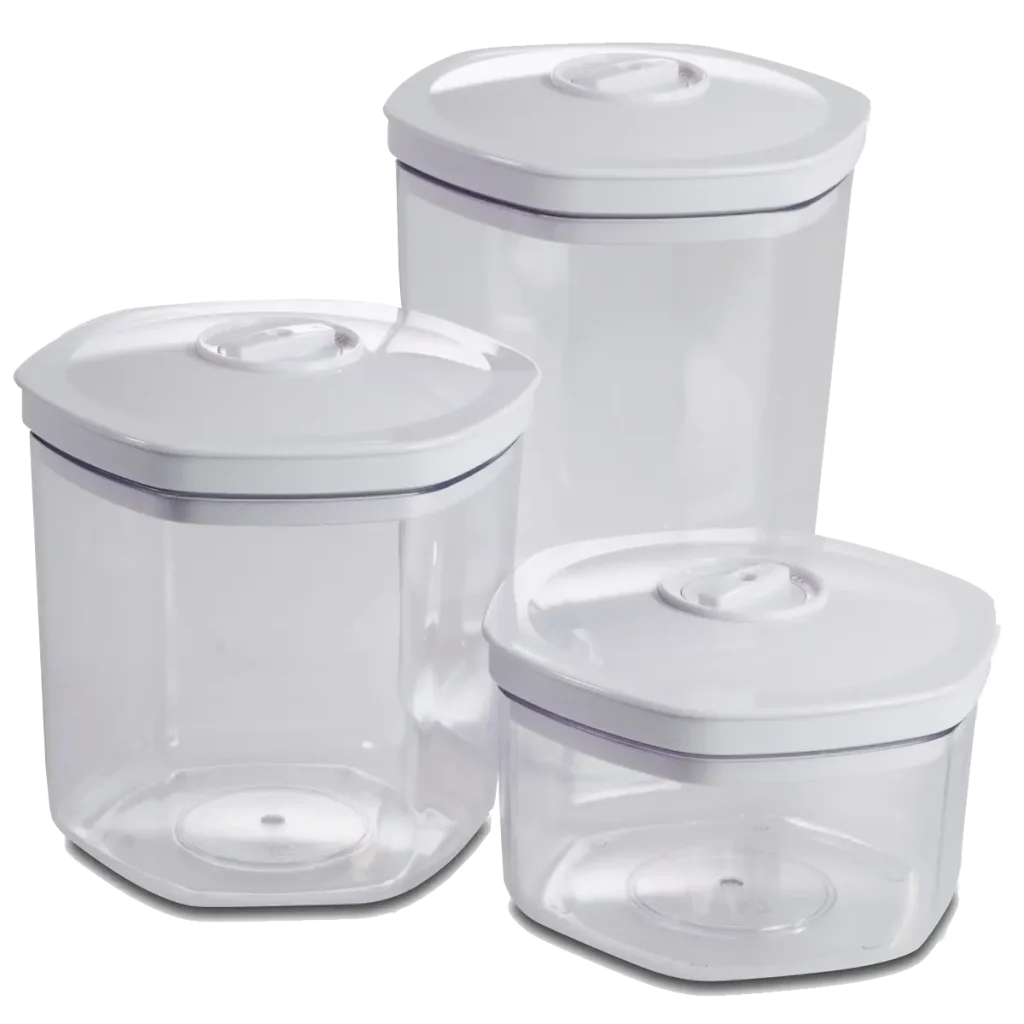
Vacuum Containers
- Reusable and ideal for items you open regularly (e.g. cheese, sliced fruit)
- Great for liquids, sauces, or delicate foods
6. Vacuum Packaging for Meal Prep
If you’re into batch cooking or prepping meals ahead, vacuum sealing is your best friend. Here’s how to make the most of it:
- Seal single-portion meals for the week
- Prepare full freezer meals and label them with cook-by dates
- Store pre-chopped fruits, veggies, or smoothie packs
- Create lunch kits or ready-to-cook stir fry bags
- Marinate proteins quickly (vacuum sealing speeds up flavour infusion)
You can also vacuum seal and freeze herbs in olive oil, cut vegetables in bulk, or portion homemade stocks and sauces for future use.
7. Food Safety Tips for Vacuum Sealing
Vacuum packaging keeps food safe longer, but it’s still essential to follow good practices:
Best Practices
- Always seal clean, dry surfaces
- Freeze moist items slightly before sealing
- Use food-safe, BPA-free bags
- Label everything with the date
- Store vacuum-sealed food in the fridge, freezer, or pantry depending on the type
What to Avoid
- Don’t vacuum seal raw garlic or mushrooms — they may grow botulism spores in anaerobic conditions
- Avoid sealing food that’s already going bad
- Don’t reuse vacuum bags that previously held raw meat
8. Common Problems and How to Fix Them
Problem: Seal not holding
Solution: Wipe inside the edge of the bag, leave enough space, and try resealing.
Problem: Air bubbles after sealing
Solution: Ensure food is flat, bag isn’t overfilled, and seal strip is clean.
Problem: Liquid being sucked into sealer
Solution: Freeze food slightly, use paper towel near opening, or switch to chamber sealer.
9. Real-Life Use Cases
Still wondering if it’s worth it? Here are some typical ways vacuum packaging is used:
- Families: Prep a week’s worth of meals or freeze leftovers
- Hunters and Fishers: Preserve large quantities of meat or fillets
- Small Food Businesses: Portion and store food hygienically
- Sous Vide Enthusiasts: Perfect texture and flavour without losing moisture
- Sustainable Shoppers: Buy bulk dry goods and store them airtight to reduce packaging waste
10. Final Thoughts
Vacuum packaging is one of the easiest and most impactful tools you can add to your kitchen. It helps you:
- Save money by reducing food waste
- Eat better by preserving quality and flavour
- Stay organised with neat, labelled food portions
- Reduce your footprint with bulk shopping and smart storage
Whether you’re freezing meat, prepping for sous vide, or just trying to keep your fridge organised, vacuum sealing offers reliable freshness every time.