




Discover how vacuum sealing protects food from spoilage, extends shelf life, and keeps meals fresh and full of flavour. Learn the science and benefits today.
In today’s kitchens, food waste and spoilage are common issues — whether it’s wilted vegetables, freezer-burned meats, or leftovers gone bad. Fortunately, vacuum sealing has become a simple and powerful solution to extend the freshness of your food while saving time and money. But how exactly does it work, and why is it so effective?
Let’s dive into the science and practical benefits of vacuum sealing to understand why more and more Australians are turning to this food-preserving method.
The Science Behind Vacuum Sealing
Oxygen: The Enemy of Freshness
Most food spoilage is caused by exposure to oxygen. When air is present, it fuels the growth of bacteria, mould, and other microorganisms. Oxygen also speeds up enzymatic reactions that cause discolouration, off-flavours, and nutrient loss.
How Vacuum Sealing Works
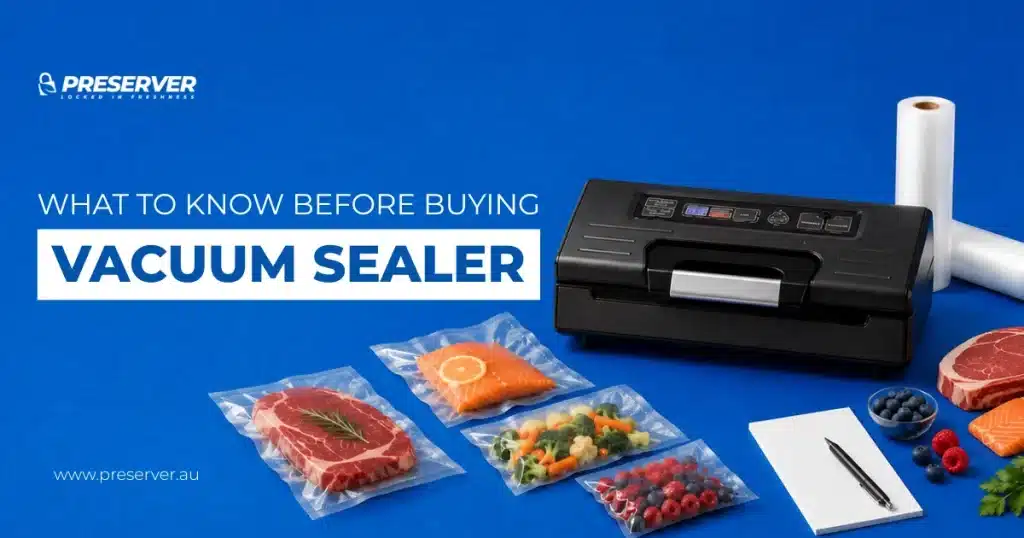
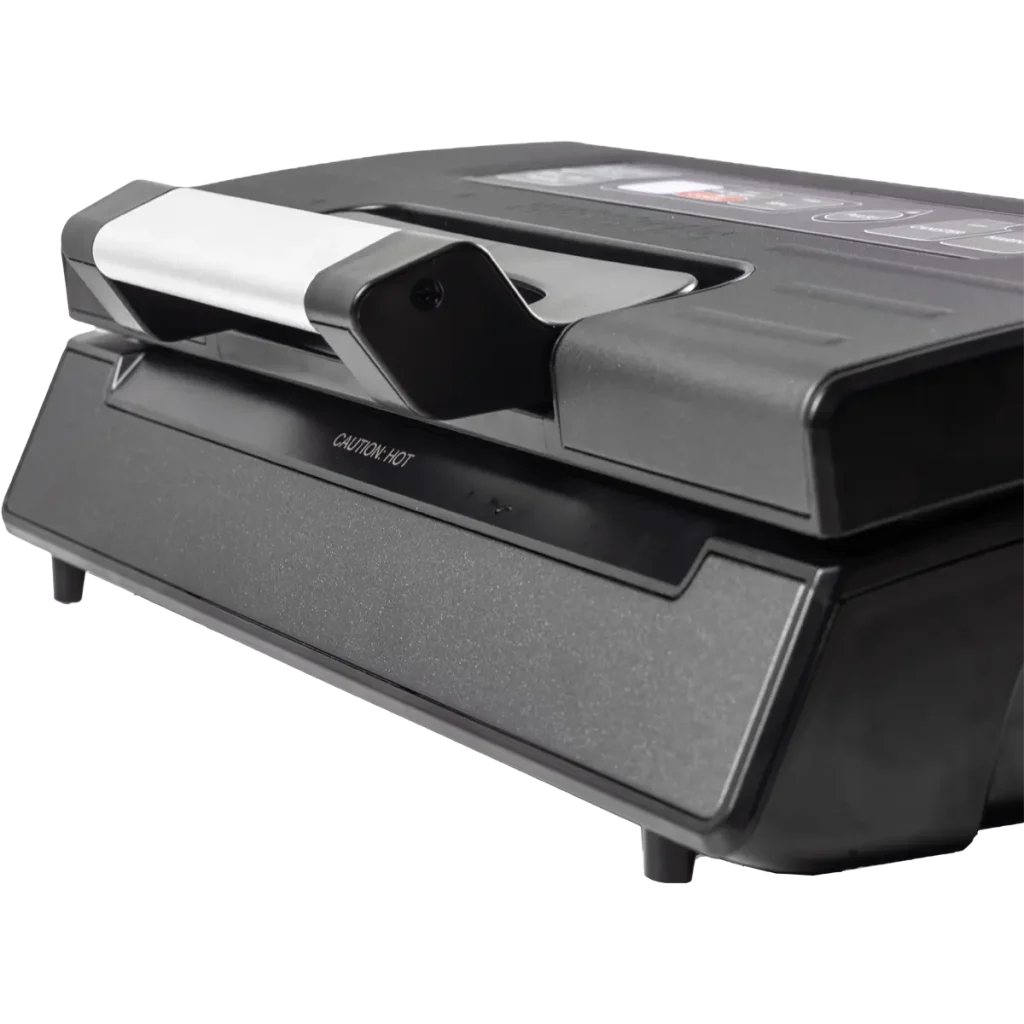
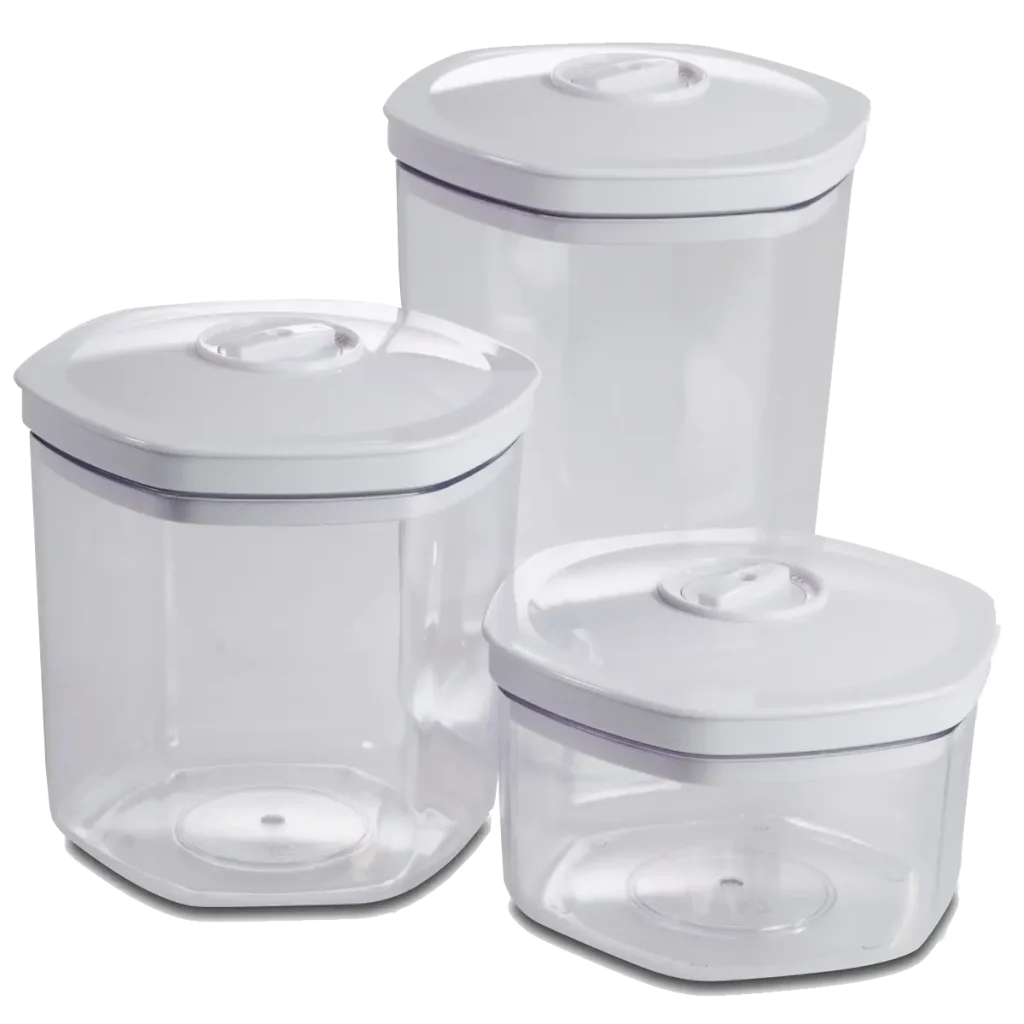
A vacuum sealer removes air from around the food and seals it in an airtight bag or container. By eliminating oxygen, you dramatically slow down microbial growth and oxidation. This keeps food in a stable, protected environment — one where freshness, flavour, and nutrients are preserved for longer.
Key Benefits of Vacuum Sealing for Food Freshness
Extended Shelf Life
Vacuum sealing can increase the shelf life of your food by 3 to 5 times compared to traditional storage methods.
Here’s a quick comparison:
| Food Type | Normal Shelf Life | Vacuum Sealed Shelf Life |
|---|---|---|
| Raw meat (fridge) | 2–3 days | 6–10 days |
| Frozen vegetables | 8 months | 2–3 years |
| Hard cheese | 2 weeks | 4–8 months |
Preserved Flavour and Nutrients
Air exposure not only degrades taste but also reduces the nutritional value of food. Vacuum sealing locks in natural juices, aromas, and nutrients — so your food tastes as fresh as the day you sealed it.
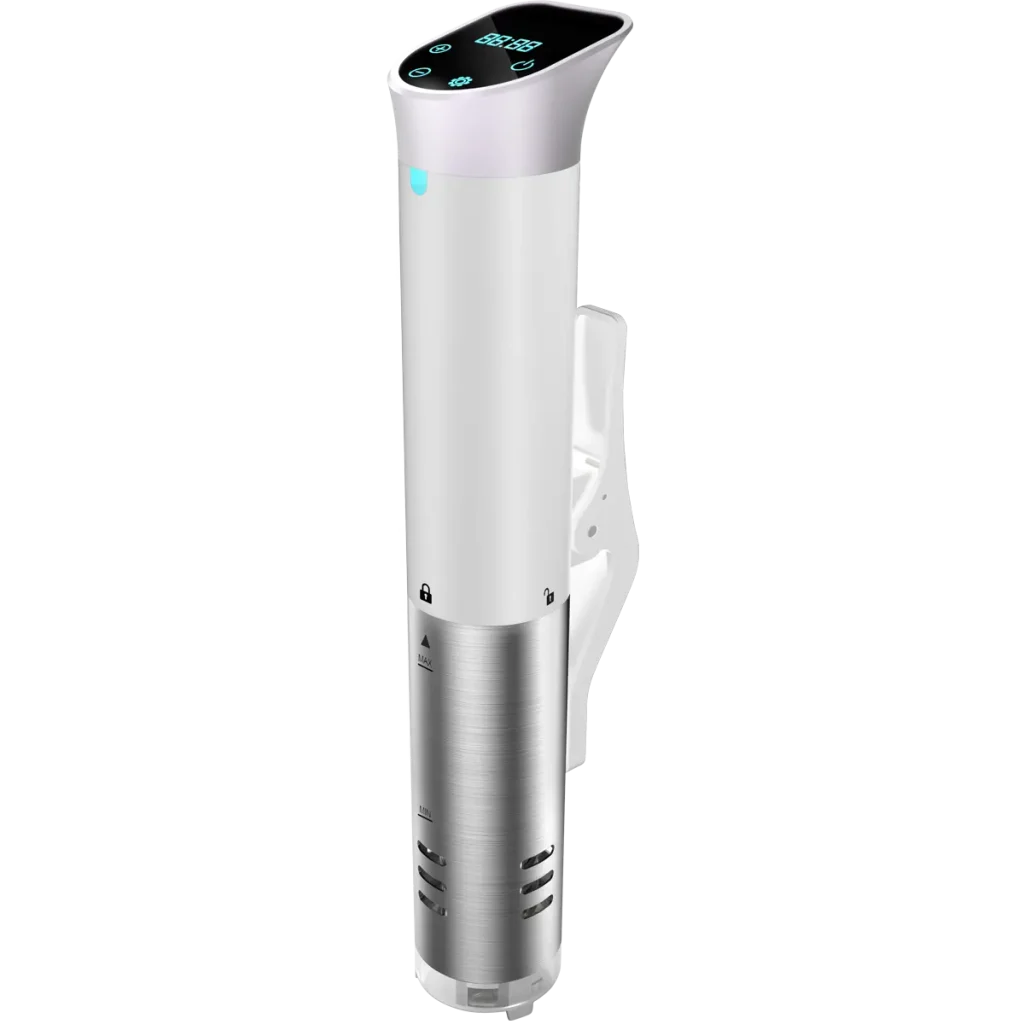
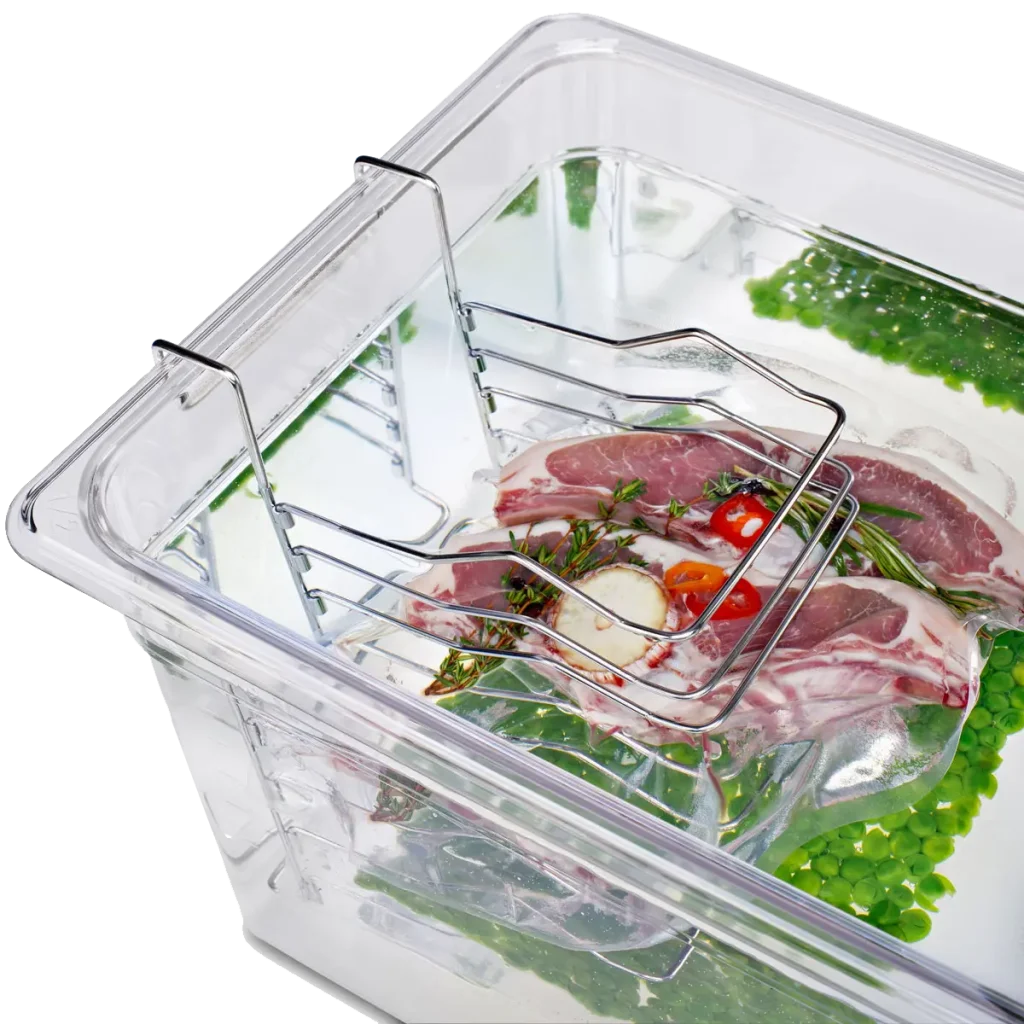
This is especially helpful for sous vide cooking, where vacuum sealing enhances flavour by allowing seasonings and marinades to deeply infuse the food.
Protection from Freezer Burn
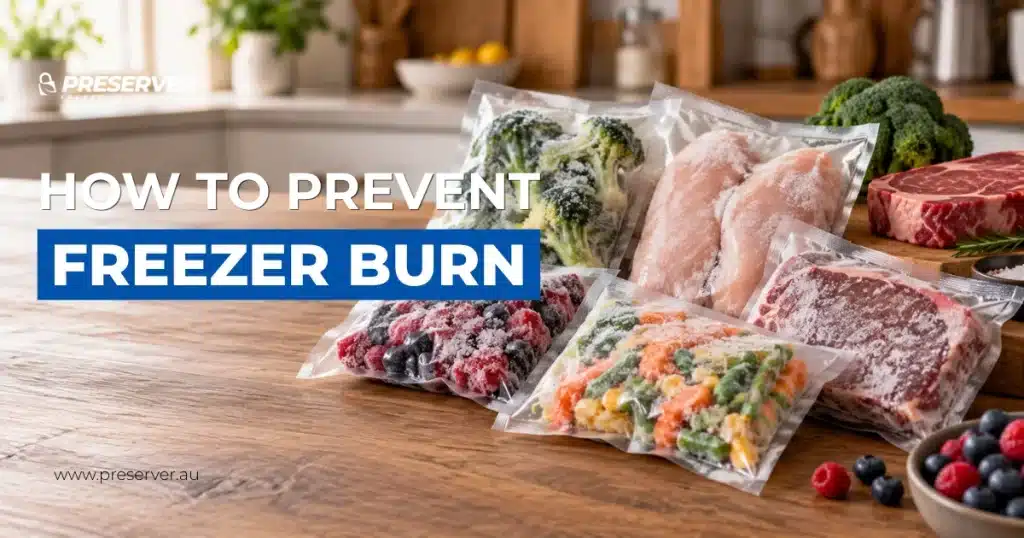
Freezer burn happens when moisture in food evaporates and forms ice crystals. Vacuum sealing protects against this by removing air and creating a moisture barrier — no more dry, frosty meat or vegetables ruined in storage.
What Foods Benefit the Most from Vacuum Sealing?
Meats and Fish
Vacuum sealing keeps proteins fresher in the fridge and much longer in the freezer. Ideal for meal prep or bulk buying.
Fruits and Vegetables
Great for prepping seasonal produce or freezing without the texture loss you get with traditional storage.
Dry Goods and Leftovers
Keep pantry staples like rice, nuts, and flour fresh for months. Leftovers stay safe and tasty, ready for easy reheating.
Practical Tips for Keeping Food Fresher with Vacuum Sealing
Use the Right Bags or Rolls
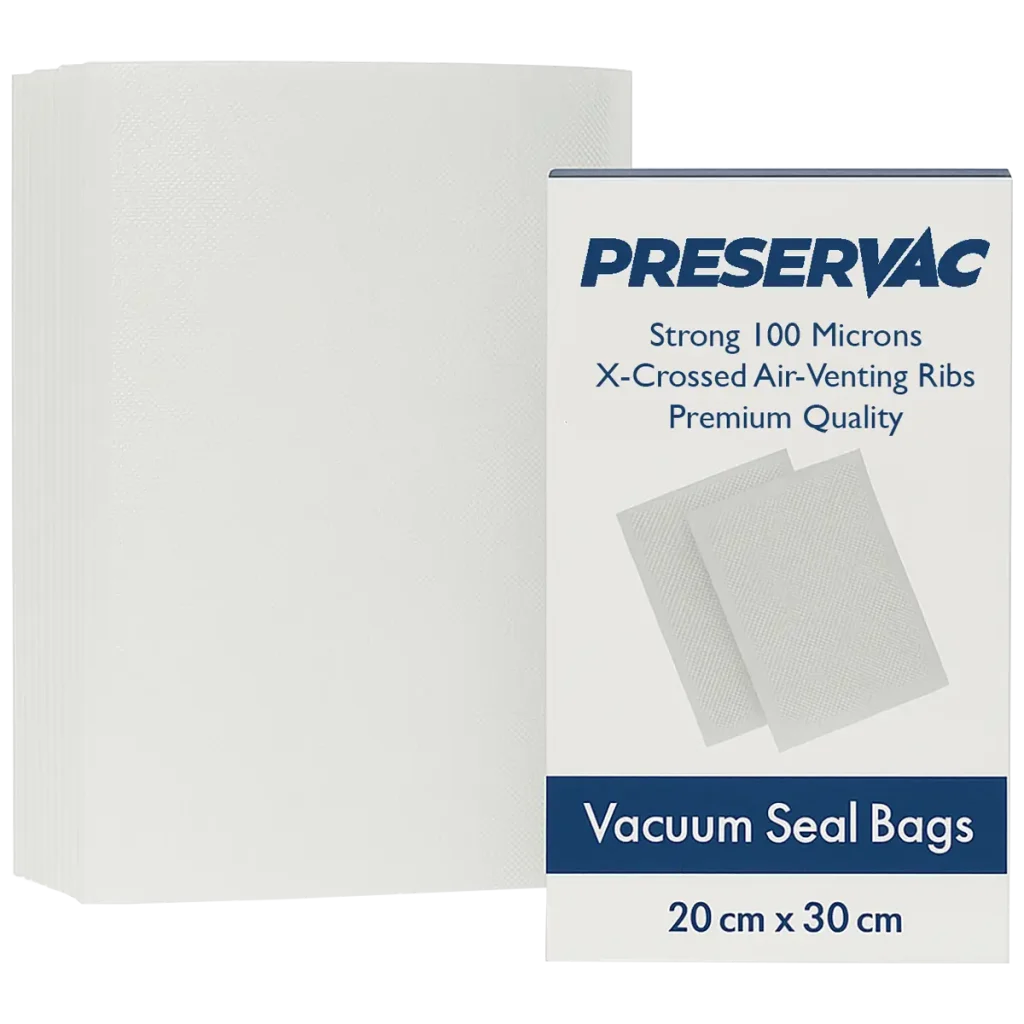
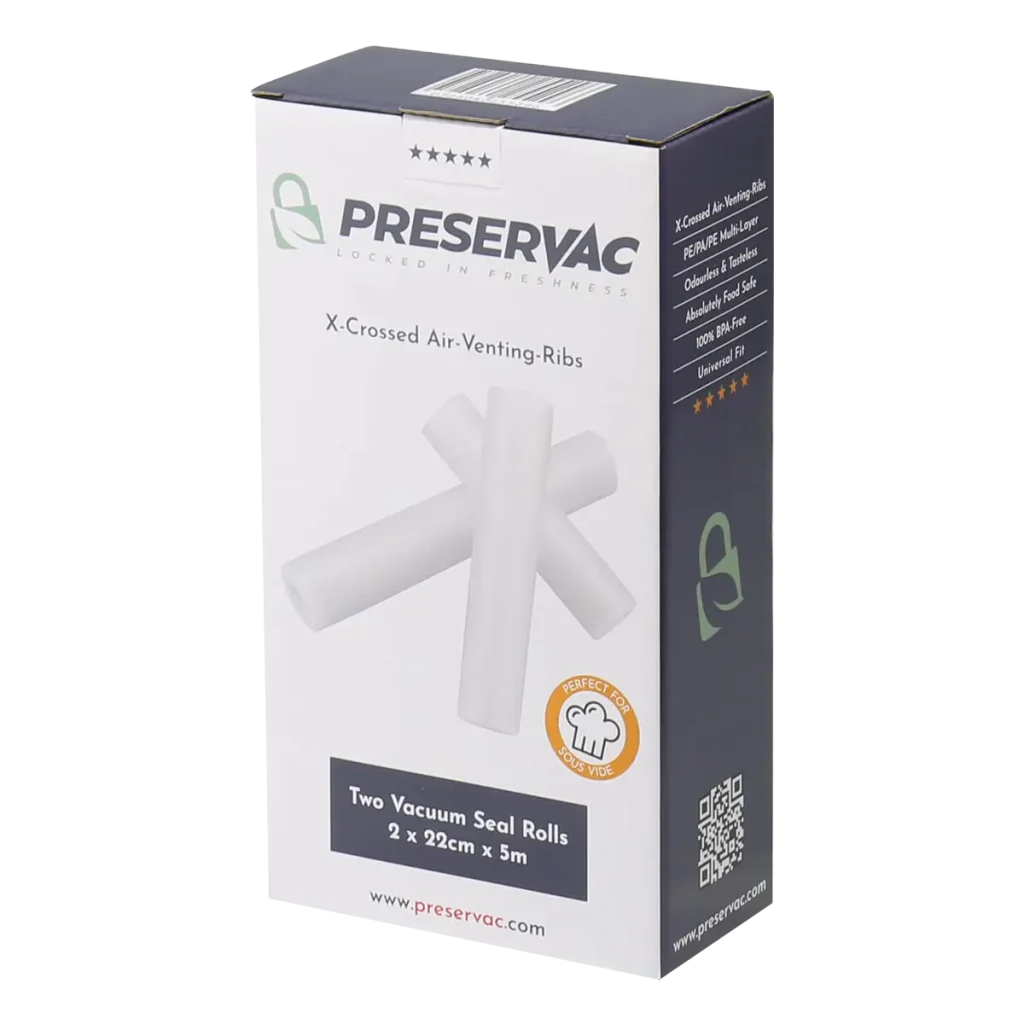
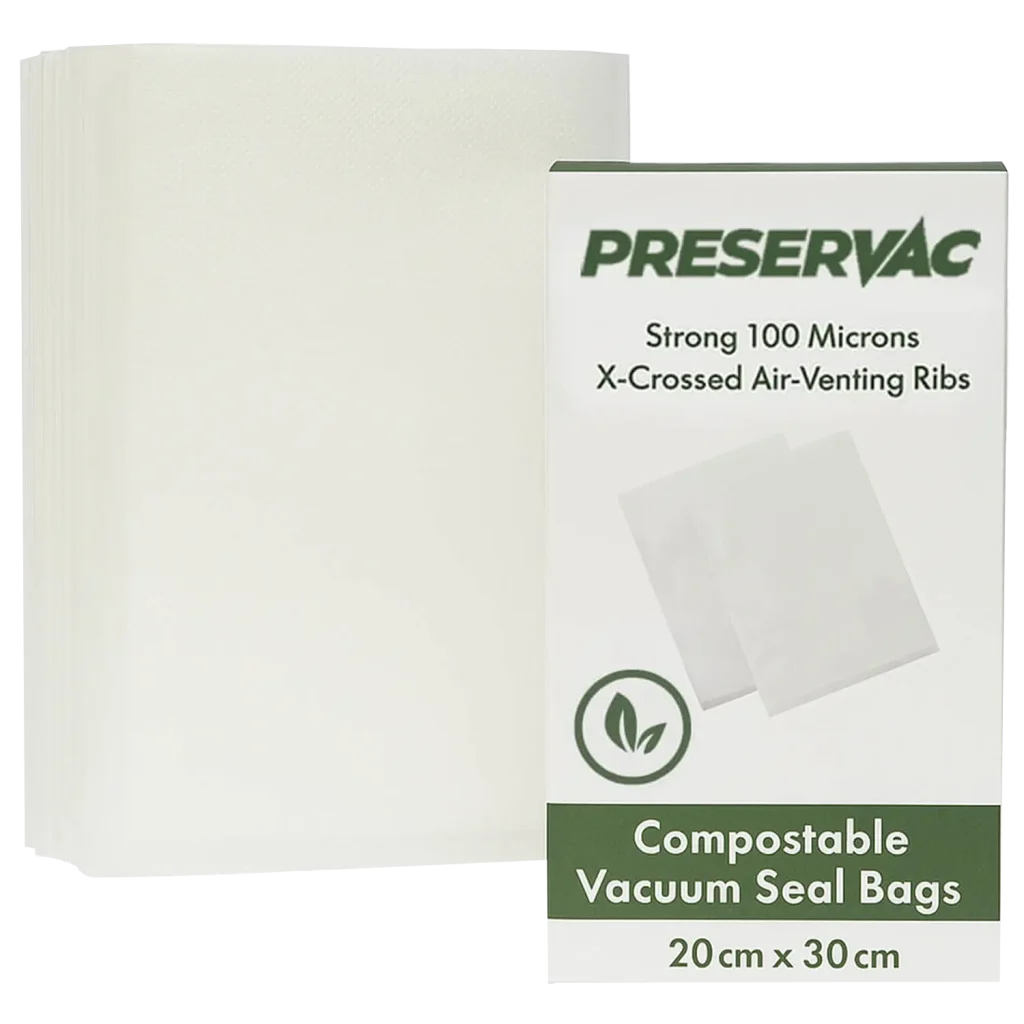
Always use food-safe, BPA-free vacuum seal bags or embossed rolls designed for your sealer. Cheap alternatives may not seal properly or last in the freezer.
Portion Before Sealing
Divide food into single-use or meal-size portions. This avoids repeated opening and resealing, which can compromise freshness.
Label and Date Everything
Use a permanent marker or label stickers. Knowing what you sealed — and when — helps you rotate stock and minimise waste.
Final Thoughts
Vacuum sealing is a simple yet powerful way to keep your food fresher for longer. By removing air and sealing in quality, it extends shelf life, protects flavour, and prevents waste — whether you’re meal prepping for the week, storing bulk buys, or preserving seasonal produce.
At PRESERVER, we specialise in high-quality vacuum sealers, bags, and accessories trusted by Australian households and businesses.
👉 Explore our vacuum sealer range and experience the freshness difference today.