



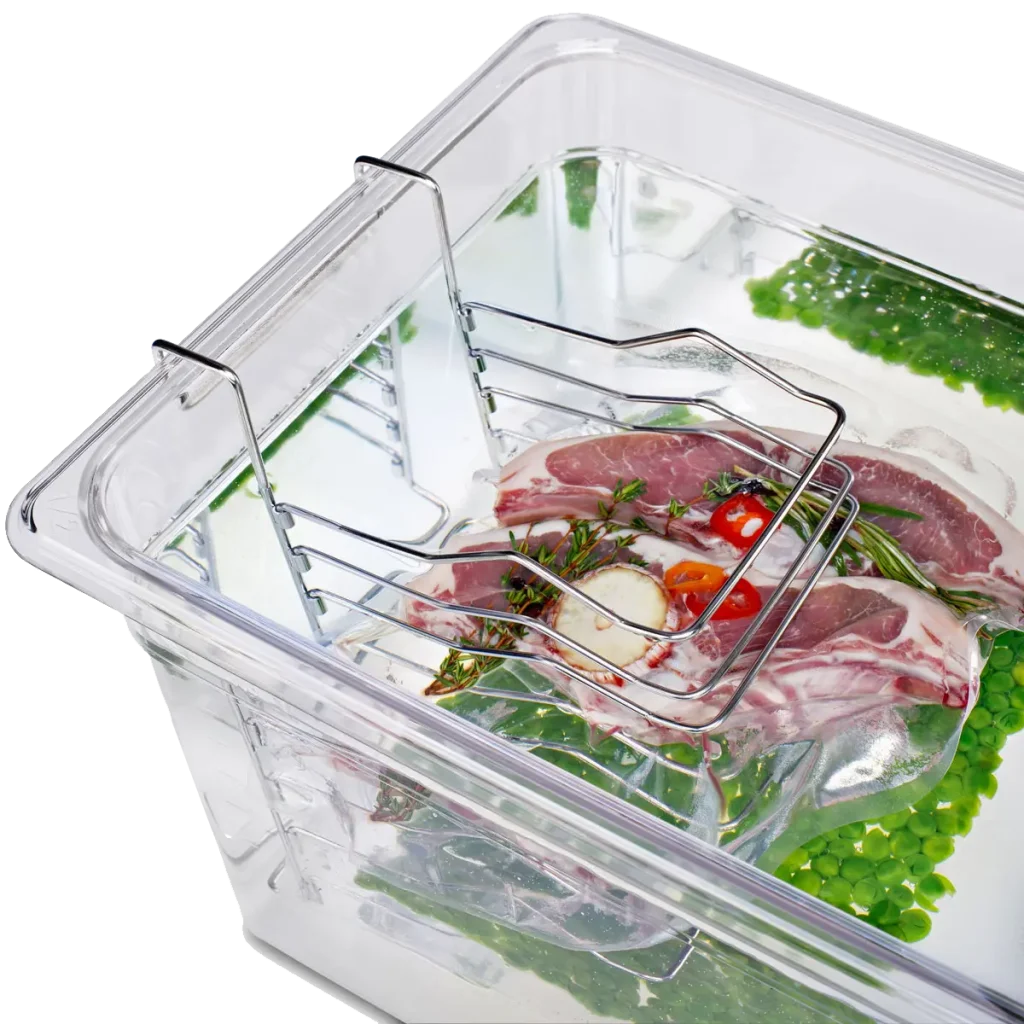


Sous vide cooking is more than just a culinary trend—it’s a precision technique used by top chefs around the world to create restaurant-quality meals at home. In this comprehensive guide, we’ll explain what sous vide cooking is, how it works, the necessary equipment, and how to get started with easy recipes. Whether you’re just starting or looking to refine your method, this guide covers everything you need to master sous vide cooking with confidence.
What Is Sous Vide Cooking and How Does It Work?
Sous vide (French for “under vacuum”) is a precision cooking technique where food is sealed in an airtight bag and gently cooked in a temperature-controlled water bath. The result? Perfectly cooked food, every time.
Unlike traditional cooking methods that rely on high, fluctuating heat, sous vide cooks food evenly from edge to edge using low and consistent temperatures. That means no overcooked edges or undercooked centres—just juicy, flavourful, perfectly tender results.
Why Sous Vide Cooking Is a Game-Changer
Mouthwatering Results, Every Time
Sous vide cooking gives you the power to cook food to your ideal doneness with total consistency. No more dry chicken, rubbery eggs, or grey-edged steaks. Instead, you’ll enjoy:
- Edge-to-edge pink steak
- Moist, juicy poultry
- Perfectly poached eggs
- Vibrant vegetables with a crisp bite
Why Is Sous Vide Cooking So Popular?
Sous vide has grown from a professional chef’s secret to a beloved home cooking method—and for good reason:
- Precision and Consistency: Say goodbye to overcooked steak or dry chicken. Sous vide gives you perfect doneness every time.
- Fail-Proof Simplicity: It’s almost impossible to mess up. Just season, seal, set the temperature, and relax.
- Meal Prep Friendly: Great for batch cooking, portioning, and reheating without losing texture or taste.
- Flavour & Nutrition: Cooking in sealed bags retains juices, vitamins, and infused flavours—no need for excess oil or salt.
- Impressive Results with Little Effort: With minimal kitchen skills, you can create meals that rival fine dining.
In a fast-paced world where convenience, health, and quality matter more than ever, sous vide cooking delivers on all fronts.
Top Benefits of Sous Vide Cooking
Why choose sous vide cooking over traditional methods? Here’s what makes it stand out:
- Incredible Flavour – Cooking in sealed bags locks in juices, herbs, and marinades for deeper taste.
- Perfect Texture – Proteins are tender, veggies retain structure, and eggs are silky.
- Stress-Free Cooking – Set it and forget it—your food won’t overcook.
- Batch Cooking Made Easy – Cook in bulk, refrigerate, then reheat without losing quality.
- Time Flexibility – Cook in advance and reheat without compromising quality.
- Cleaner Cooking – Less mess, fewer pans, no need to hover over the stove.
Essential Equipment for Sous Vide Cooking
Getting started is easier than you think. Here’s what you need:
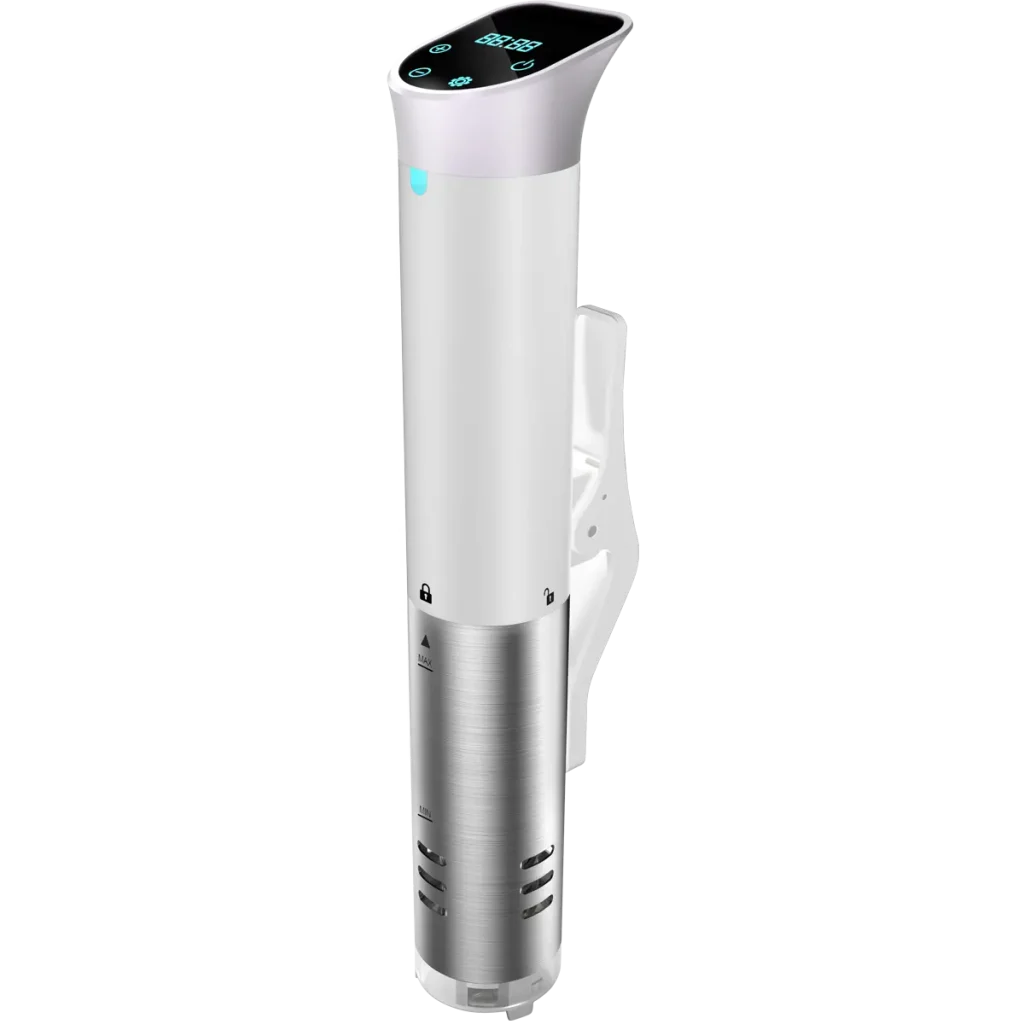
- Sous Vide Machine: Either an immersion circulator or water oven to maintain water temperature. The immersion circulator is the most popular for home use.
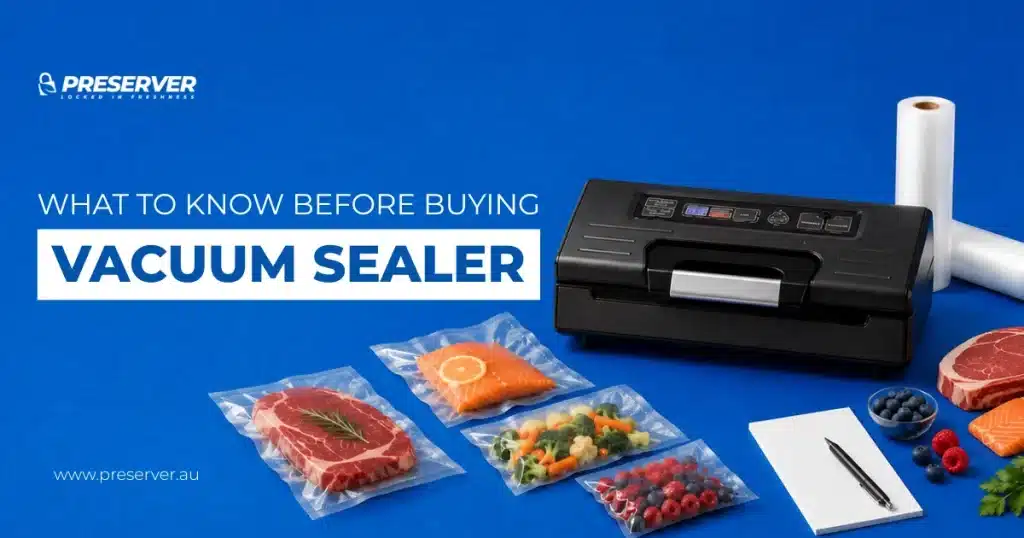
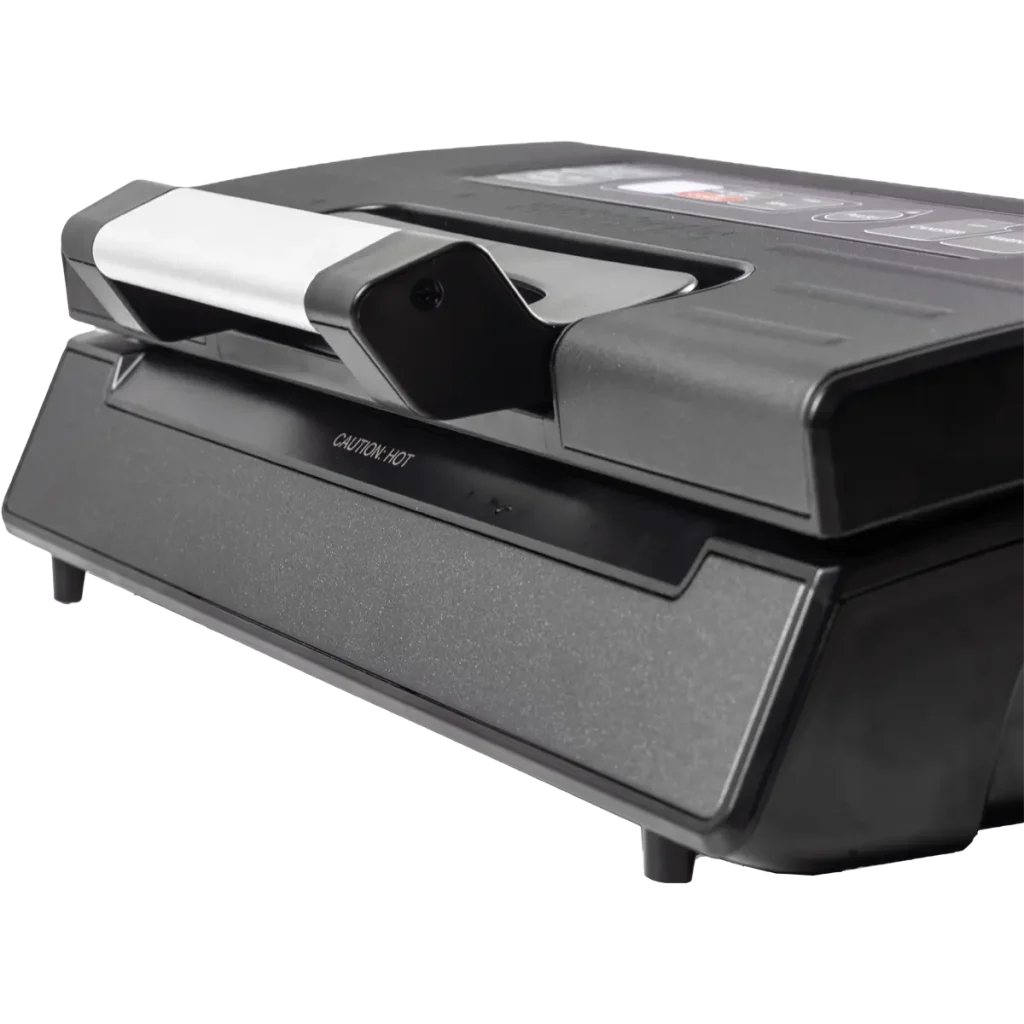
- Vacuum Sealer: Removes air from bags for better heat transfer and food preservation.
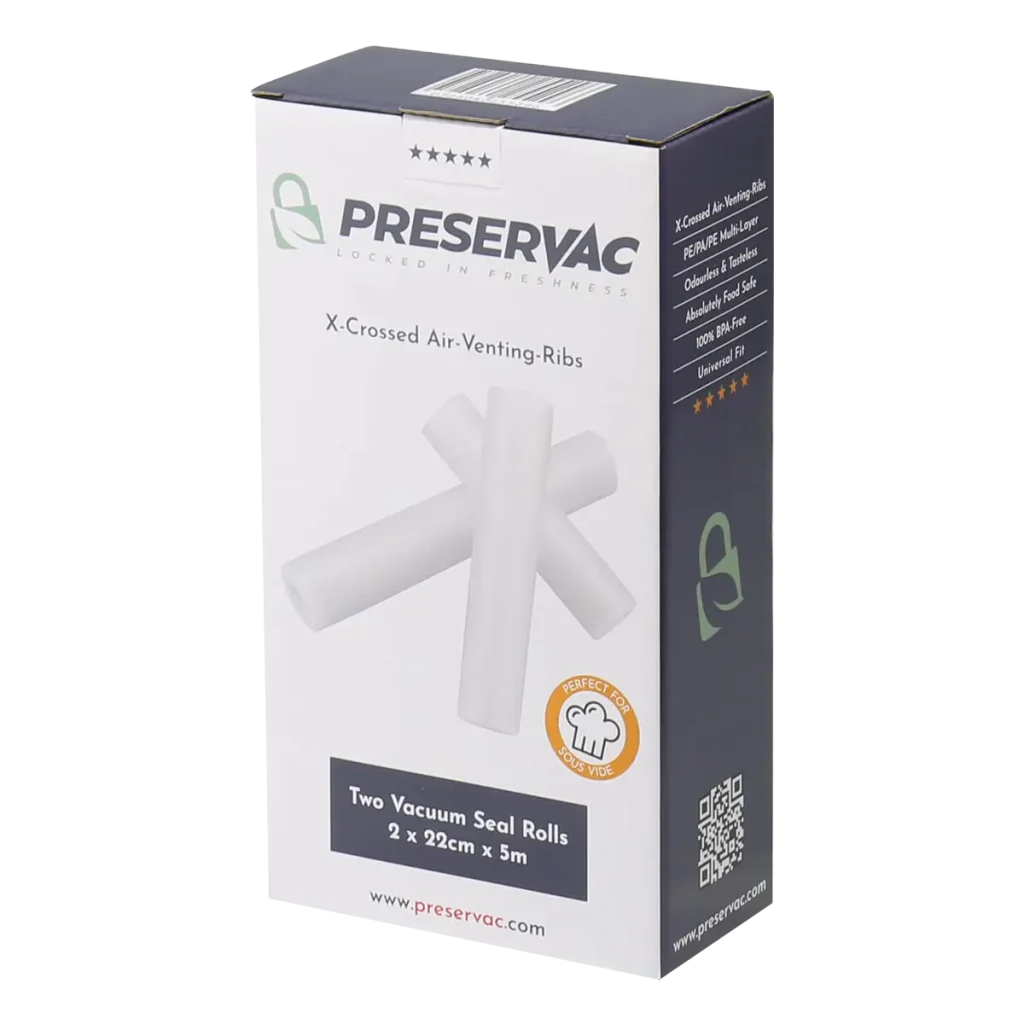
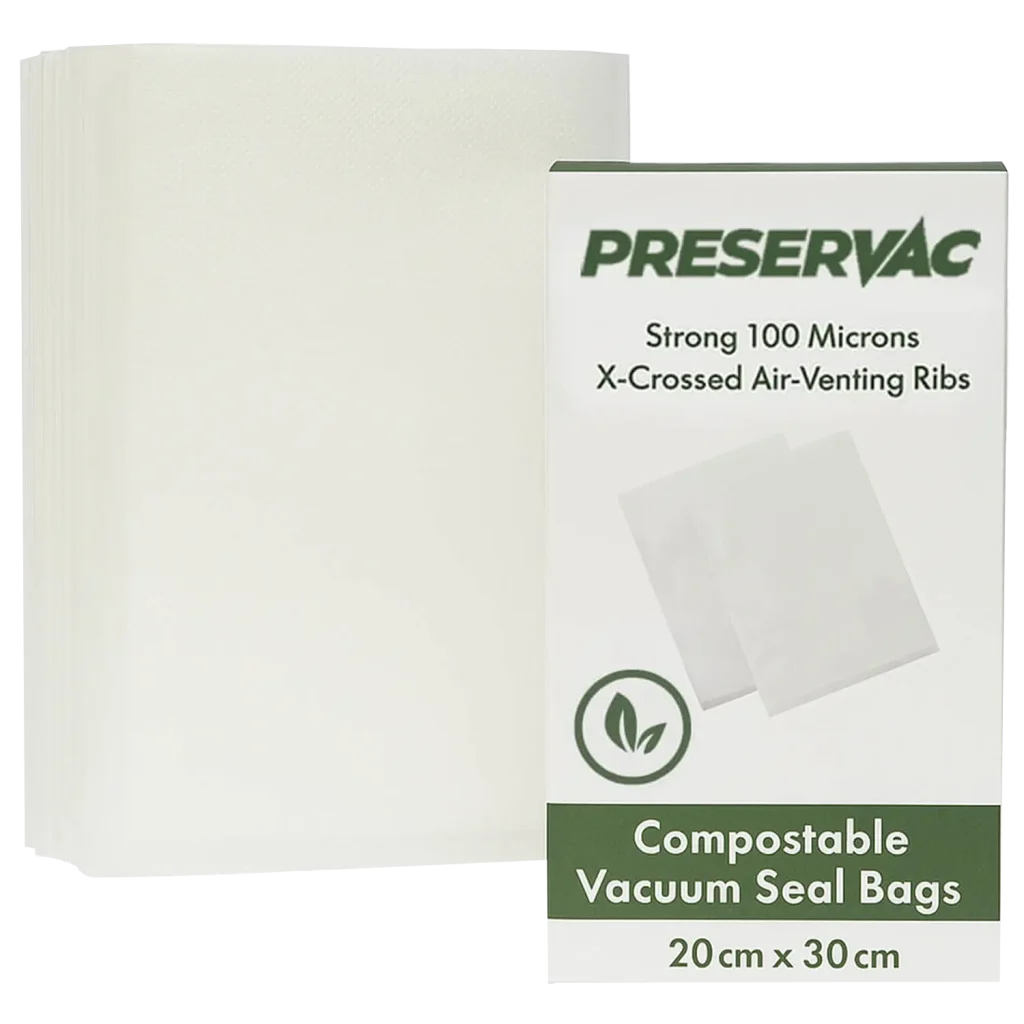
- Sous Vide Bags: BPA-free vacuum seal bags or ziplock-style sous vide bags.
- Water Bath Container: A heat-safe pot or plastic container to hold water and your sealed food.
- Optional Accessories:
- Floating insulation balls or lids (to reduce evaporation)
- Sous vide racks (for better circulation)
- Bag clips or weights (to keep food submerged)
How Sous Vide Cooking Works – Step by Step
1. Food Preparation
Season your ingredients. Add herbs, spices, garlic, or citrus to enhance flavour. Marinades work beautifully, especially for meats.
2. Vacuum Sealing
Use a vacuum sealer or the water displacement method to remove air and seal your food in a heat-safe plastic bag.
3. Sous Vide Cooking
Place the sealed bag in a water bath preheated to your desired temperature. The sous vide machine maintains a steady temp for the entire cook time.
When done, remove the bag, optionally sear the food for texture, and serve.
Sous Vide Cooking Times and Temperatures – A Quick Guide
Here’s a quick reference chart to get you started with sous vide cooking:
| Food Type | Temperature | Time | Result |
|---|---|---|---|
| Chicken Breast | 64°C | 1.5 to 4 hours | Juicy, tender |
| Ribeye Steak | 54.5°C | 1 to 4 hours | Medium-rare perfection |
| Salmon Fillet | 50°C | 30 to 60 minutes | Flaky, moist |
| Soft-Boiled Eggs | 63°C | 45 minutes | Custard-like yolk |
| Carrots | 85°C | 1 hour | Sweet and fork-tender |
| Asparagus | 85°C | 10–15 minutes | Vibrant and crisp |
Tip: For steak and chicken, finish with a 1-minute sear on each side in a hot pan to create a golden crust.
Sous Vide vs. Traditional Cooking: What’s the Difference?
| Feature | Sous Vide | Traditional Cooking |
|---|---|---|
| Temperature Control | Precise and consistent | Fluctuates with heat source |
| Doneness | Perfect edge-to-edge | Often uneven |
| Overcooking Risk | Very low | High |
| Supervision Needed | Minimal | High |
| Final Sear | Optional (for texture) | Built-in through direct heat |
Sous vide excels at precision and consistency—especially for proteins like steak, chicken, and fish.
Batch Cooking and Meal Prep with Sous Vide
Sous vide is a meal prep powerhouse:
- Cook multiple portions at once
- Refrigerate or freeze vacuum-sealed portions
- Reheat directly in the sous vide bath without losing quality
This is ideal for busy professionals, families, or anyone who values both convenience and quality.
Finishing Techniques: Sear, Broil, or Torch
Sous vide delivers perfect internal doneness, but the exterior may lack that classic golden finish. Here’s how to add the finishing touch:
- Sear in a hot cast iron pan for 30–60 seconds per side
- Blow torch for steak and crème brûlée (avoid butane taste)
- Broiler for crisping skin or melting toppings
- Add butter, garlic, or rosemary during searing for enhanced flavour
Sous Vide Safety and Food Handling
While sous vide is very safe, it’s important to follow good food safety practices:
- Use food-grade BPA-free bags.
- Never cook meat below 54°C for long periods to avoid bacterial growth.
- Chill rapidly in an ice bath if not serving right away.
- Reheat in sous vide to maintain safety and texture.
- Handle raw food carefully, wash hands and sanitize surfaces as needed.
Easy Sous Vide Recipes for Beginners
Ready to try it out? Start with these beginner-friendly sous vide recipes:
Sous Vide Chicken Breast with Lemon & Thyme
- Temp: 64°C
- Time: 90 minutes
- Result: Juicy, herb-infused chicken—perfect for salads and sandwiches.
Perfect Medium-Rare Steak
- Temp: 54.5°C
- Time: 2 hours
- Finish: Quick pan sear with garlic and butter.
Poached Sous Vide Eggs on Toast
- Temp: 63°C
- Time: 45 minutes
- Serve over buttered sourdough with salt, pepper, and chives.
Garlic Butter Sous Vide Salmon
- Temp: 50°C
- Time: 45 minutes
- Finish with lemon zest and dill for a bright, buttery resu
- lt.
Sous Vide Myths and Misconceptions
- Myth: You need expensive gear
Reality: You can start with affordable immersion circulators and ziplock bags. - Myth: It’s only for steak
Reality: Sous vide works beautifully for poultry, seafood, vegetables, eggs—even desserts! - Myth: It’s complicated
Reality: Once you try it, it’s often easier than pan or oven cooking.
What Can You Cook with Sous Vide?
One of the biggest advantages of sous vide cooking is its versatility. Whether you’re preparing everyday meals or experimenting with gourmet creations, sous vide can handle it all:
Meat & Poultry
From ribeye steaks to duck breast, sous vide ensures perfectly cooked results with juicy interiors and tender textures. It’s especially popular for chicken breasts, pork chops, brisket, and roasts—no more overcooking or guesswork.
Seafood
Sous vide is ideal for delicate proteins like salmon, scallops, prawns, and tuna. Low and consistent temperatures help preserve moisture and avoid that rubbery texture often caused by pan-searing or baking.
Eggs
Sous vide allows precise control over egg doneness. Whether you prefer soft-boiled, poached, or yolks with custard-like texture, sous vide eggs are a breakfast game-changer—and essential for ramen and benedicts.
Vegetables
Vegetables retain their vibrant colour, nutrients, and structure. Carrots, potatoes, asparagus, and beets turn out tender but never mushy. Great for meal prep or sides.
Desserts
Sous vide excels at custards, crème brûlée, cheesecakes, and even poached fruit. It offers precise temperature control needed for delicate dessert textures.
Infusions & Other Creations
Infuse spirits with herbs or fruit, create flavoured oils, make yogurt, or even pasteurize raw eggs for sauces like aioli or hollandaise. Sous vide unlocks culinary creativity beyond just cooking.
Advanced Sous Vide Techniques to Try
Ready to go beyond basics? Explore:
Fruit poaching in spiced wine or syrup
Infusing alcohols (e.g. gin or vodka with herbs or fruit)
Sous vide desserts like crème brûlée or cheesecake
Pasteurizing eggs for safe use in dressings or homemade mayo
Troubleshooting Common Sous Vide Mistakes
New to sous vide? Avoid these common pitfalls:
- Mushy meat: Overcooking or too low a temp for too long.
- Floating bags: Use weights or clips to fully submerge bags.
- No flavour: Don’t under-season; add herbs or aromatics before sealing.
- Dry edges after searing: Pat food dry and use high heat for a short time only.
Final Thoughts: Sous Vide Cooking Made Simple
Sous vide cooking takes the guesswork out of preparing delicious, perfectly cooked meals. With just a few tools and a little planning, you’ll be serving restaurant-quality dishes at home—every time.
Whether you’re batch cooking for the week or hosting a special dinner, sous vide delivers convenience, precision, and unbeatable flavour.
Ready to Get Started?
Browse our selection of:
And check out our blog for more recipes, tips, and expert guides on sous vide cooking and vacuum sealing!